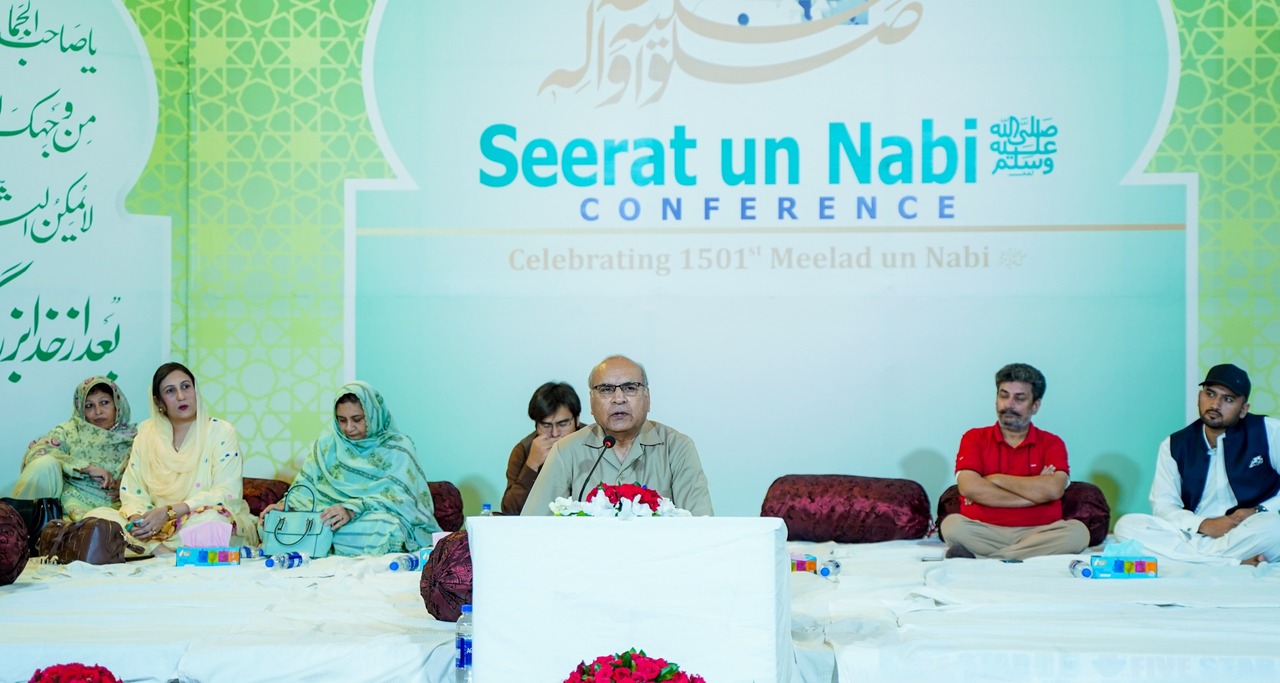
The Prophet Muhammad ﷺ declared in his Farewell Sermon (Khutbah Hajjat-ul-Wada): "O people, every value of the Age of Ignorance do I trample beneath my feet this day." It follows, then, that the Jahiliyyah, or Age of Ignorance, in Islamic reckoning is the period preceding the Exalted Prophet's ﷺ blessed birth and that the period following it constitutes an age of enlightenment. The Prophetic biography (Seerah) and the faith it embodies are not confined to Muslims alone but constitute a global religion. In the Qur'an, Allah has introduced His Exalted Prophet ﷺ as a mercy to all the worlds (Rahmatul-lil-Alameen), the revealed Book as a reminder to all the worlds (Zikrul-lil-Alameen), and Himself as the Lord of all the worlds (Rabb-ul-Alameen). This universal dimension and global vision of Islam demand particular attention in the present age, one that cannot be reduced to geographical boundaries, sectarian divisions, or the distinctions among various schools of jurisprudence (fiqh).
Western thought and philosophy, on the basis of its own civilisational experience, presents democracy, women's rights, religious tolerance, interfaith harmony, fundamental human rights, and freedom of expression as the final destination of humanity's civilisational progress. The West claims that humanity has arrived at a point beyond which no superior philosophy of life can be conceived.
Islam, by contrast, presents a universal message and a complete code of life valid until the Day of Judgment. The present decline of the Muslim Ummah is not a decline of Islam itself, but rather a weakness in the practice of Muslims. The most fundamental basis for a return to Islam, and for understanding its practical application, is the Prophetic biography (Seerah), for Islam is that which the Messenger of Allah ﷺ demonstrated through his own conduct.
Religion generates spiritual unity, and it is mature leadership that transforms this spiritual unity into political unity. The founders of Pakistan achieved the creation of Pakistan precisely by converting this spiritual unity into political unity.
The State of Medina must also be understood in terms of tolerance, harmony, and its relations with various religious communities. Through the Constitution of Medina (Mithaq-e-Madinah), the Jews and the Muslims were recognised as a single community not on the basis of religious affiliation, but on the basis of shared citizenship of the state; the Covenant of Najran (Muahida-e-Najran) with the Christians similarly stands as an example of religious tolerance.
|
|
|
|
With respect to women, it is likewise necessary to understand the distinction between Islam itself and the practice of Muslims. Islam spoke not of the liberation of women in the Western sense, but of the rights of women, granting them rights of inheritance, dower (mahr), maintenance (nan-o-nafaqah), and other entitlements. The world has come to equate the conduct of Muslims with Islam itself. Islamic law also accords significant importance to the protection of women's financial and legal rights. Muslim jurists (fuqaha), established the concept that mere consent cannot serve as a valid basis for an action if it results in harm to a person. In matters of dower and inheritance as well, the rights of women have been afforded legal protection.
|
|
|
|
|
|
|
|
|
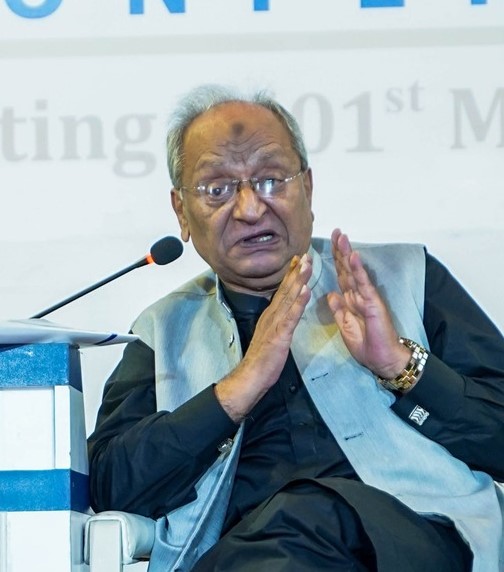
Looking at the Exalted Prophet ﷺ from 21st Century Perspective
|
|
|
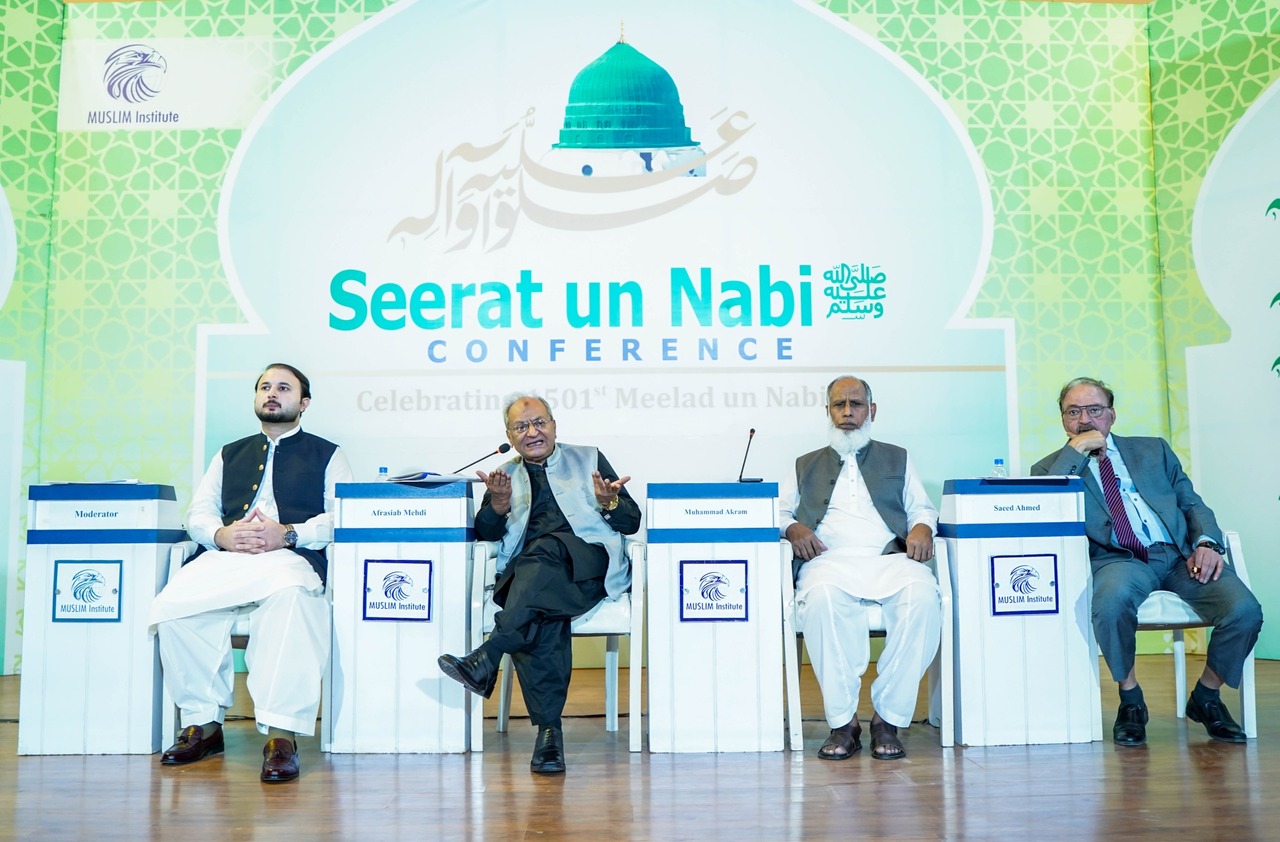
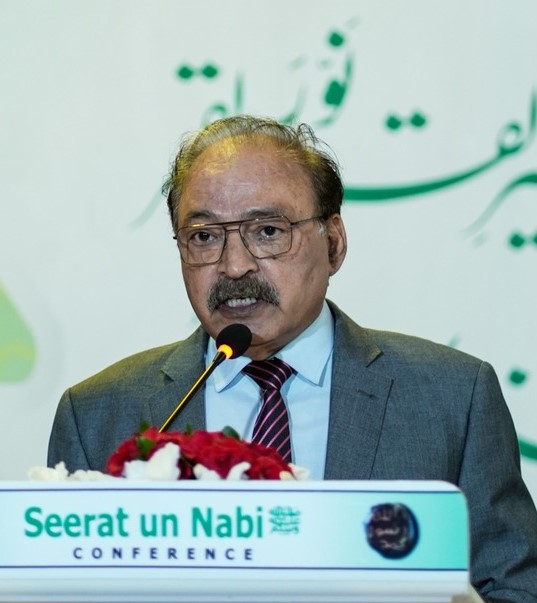
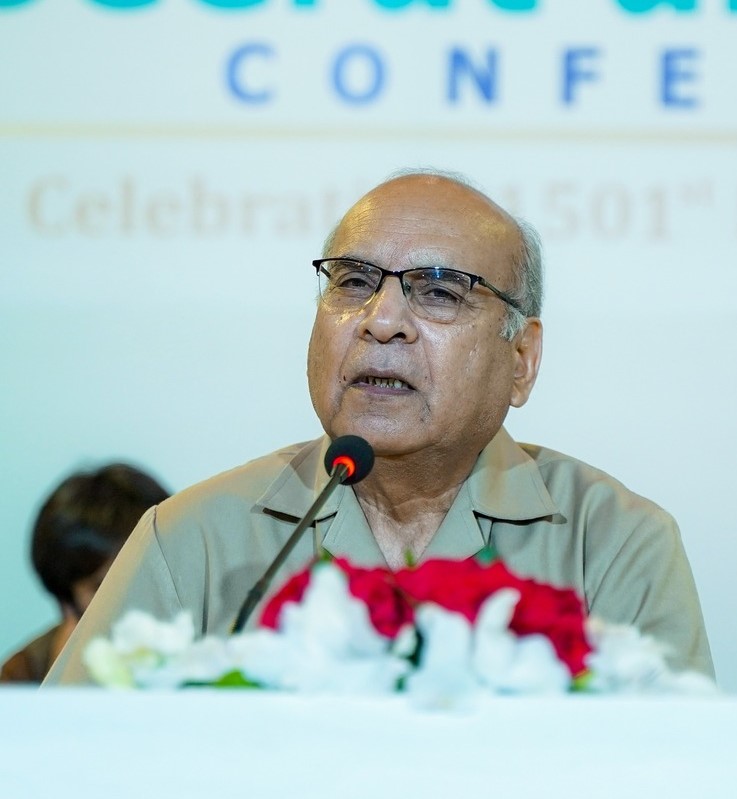
Afrasiab Mehdi Hashmi Qureshi
Ambassador (R)
|
|
|
|
|
|
|
|
|
|
The name Muhammad ﷺ was new among the tribes of Mecca, and it signified: the personality who is praised. Today, more than 150 million people have the name Muhammad, which is unprecedented in human history. Even after the passage of fifteen hundred years, the Prophethood of Muhammad ﷺ continues to be proclaimed five times daily in every mosque through the call to prayer (Adhan). The intellectual and national contributions of Pakistan’s nuclear scientists and the establishment of Pakistan under the leadership of Quaid-e-Azam Muhammad Ali Jinnah, were both undergirded by the message of Muhammad ﷺ as a foundational motivating force.
To understand Islam, it is necessary that the Qur'an be read directly. Understanding the history of Islam and of Muslims likewise requires engagement with primary sources. The biographical works of Ibn Hisham and Ibn Ishaq on the life of the Prophet ﷺ are among the foundational early texts for understanding Islamic history and the Prophetic biography (Seerah). In this regard, it is equally necessary for scholars and educators to engage with the study of these works.
Muhammad Ali Jinnah was accustomed to saying that if Muslims know how to die for Islam, they must also learn how to live for Islam. Muslims are divided into various sects, but no individual, regardless of sectarian affiliation, can deny reverence and love for the Prophet of Islam ﷺ.
|
|
|
|
Issues such as disillusionment and corruption in Pakistan are often presented in a manner suggesting that Pakistan is a failure in every respect, whereas a comparative examination of conditions in other countries is equally necessary. Corruption and related problems are not confined to Pakistan alone. There are number of world leading capitals where there exist no-go areas for foreigners, however, we do not find any no-go area in Islamabad or even Rawalpindi or Lahore.
Our Prophet ﷺ was not merely a preacher, but also a diplomat, a general, a teacher, an administrator, and a negotiator. He was the mentor of generals such as Khalid ibn al-Walid, and he was likewise engaged in dialogue for interfaith harmony. It is precisely this comprehensive dimension of the Messenger of Allah's ﷺ personality that must be understood in the study of the Prophetic biography (Seerah).
|
|
|
|
|
|
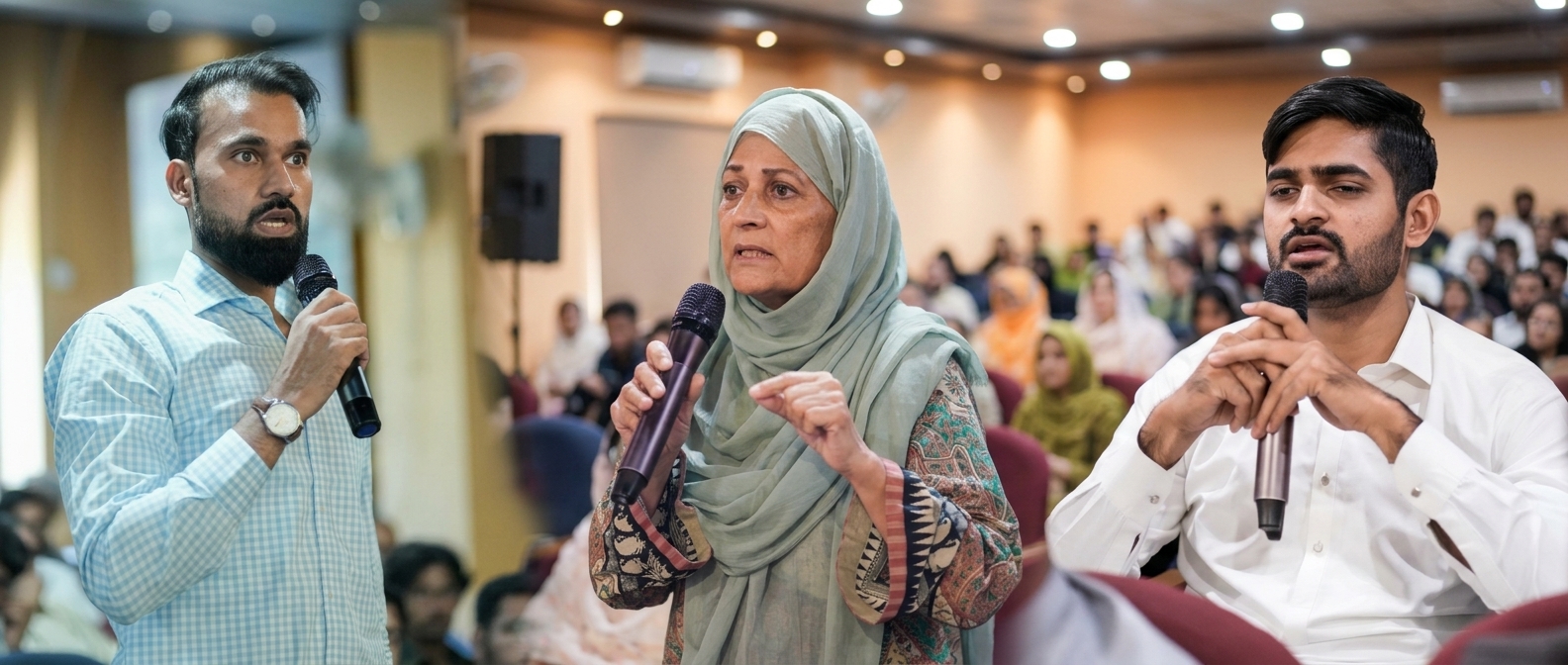
Question & Answer Session
|
The Qur'an is a comprehensive book, meaning that certain of its rulings (ahkam) are stated in detail, others are stated in summary form, and still others are stated as general principles. Those matters stated as general principles were elaborated and elucidated by the Messenger of Allah ﷺ. For example, when the envoys of Musaylimah (the Liar) came before the Prophet ﷺ, Musaylimah had already laid claim to prophethood, yet, according to the wording recorded in Musnad Ahmad, the Prophet ﷺ said that were it not for the international convention against killing envoys, he would have had both of them executed. The implication is that although the Messenger of Allah ﷺ possessed full authority within Islam to enforce this penalty, he ﷺsuspended its application in light of the prevailing international convention.
|
|
|
|
|
|
When we engage in dialogue, we should communicate in the idiom and manner that one's interlocutor understands. The West will comprehend matters on the basis of reason, human nature, and the framework of human psychology. This is analogous to the era of Imam al-Ghazali, when Greek philosophy was penetrating Muslim societies, and he accordingly employed the language of philosophy in his response. Muslim scholars expounded the underlying wisdom and rationale of Islamic injunctions purely on the basis of reason and human nature.
When the Companions were sent forth by the command of the Prophet ﷺ to propagate the faith, they were instructed not to present Islam as a rigid or harsh religion, for Islam is not characterized by severity but is, rather, a religion of ease. They were further instructed not to interfere with or desecrate the places of worship of any other religion, and, likewise, not to harm or demean any monk, priest, or ascetic (sadhu) engaged in worship therein.
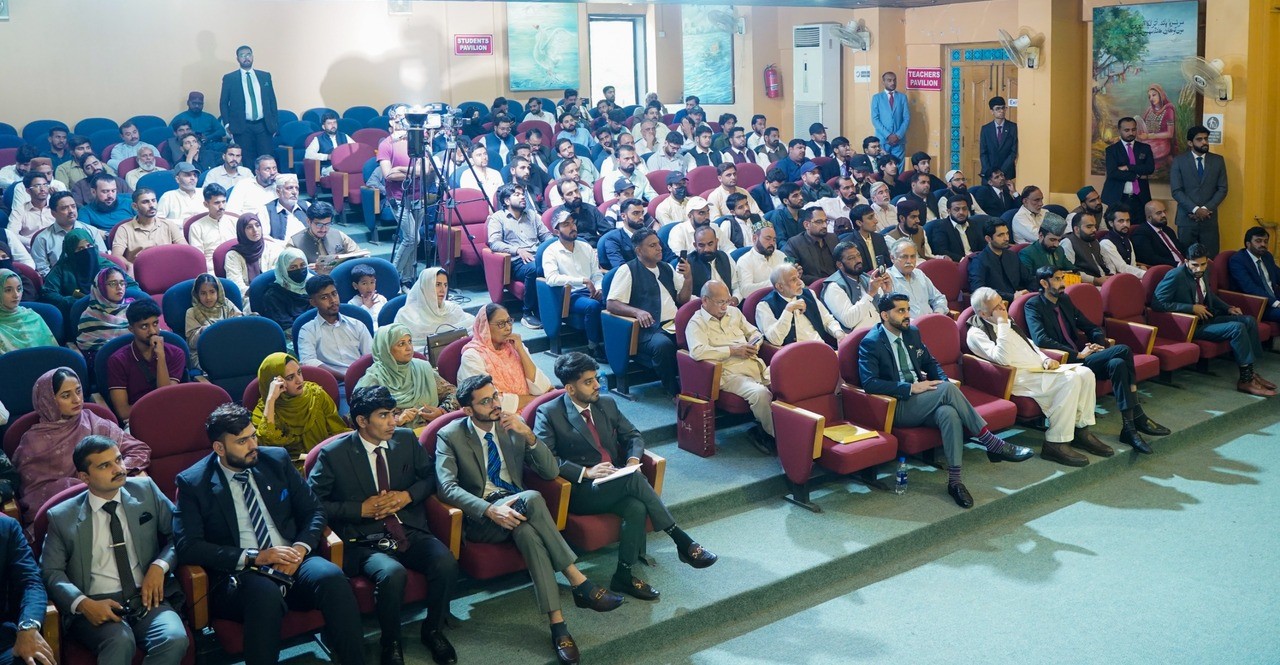
After the academic session, Naat Poetry Recital session was also held in which distinguished poets including Mr. Jaleel Aali, Mr. Idrees Azad, Mrs. Farah Rizvi, Mr. Saeed Shariq, Mrs. Tabassum Rubab, Mr. Gohar Awan and Mrs. Yasmeen Kanwal presented their Naatia poetry. Meanwhile, Mr. Mustahsan Jami moderated this session.
|
|
|
|
|
|
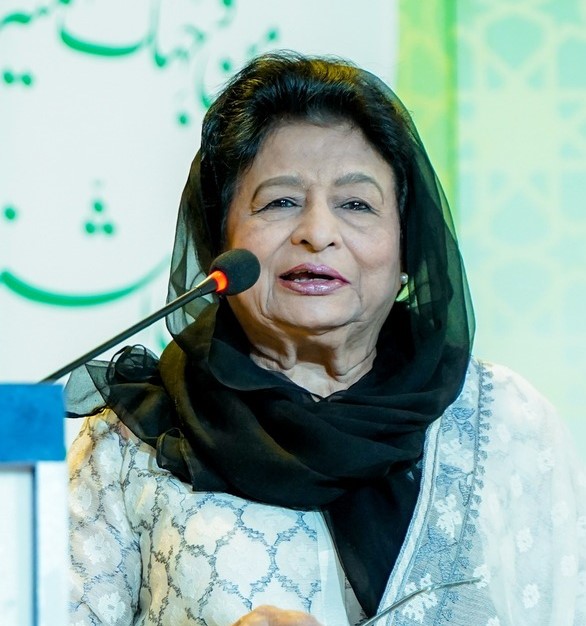 |
Dr. Qaisra Alvi
President, Pakistan Federation of University Women, Islamabad
|
| |
|
|
Dr. Qaisra Alvi
President, Pakistan Federation of University Women, Islamabad
|
|
Vote of Thanks
|
|
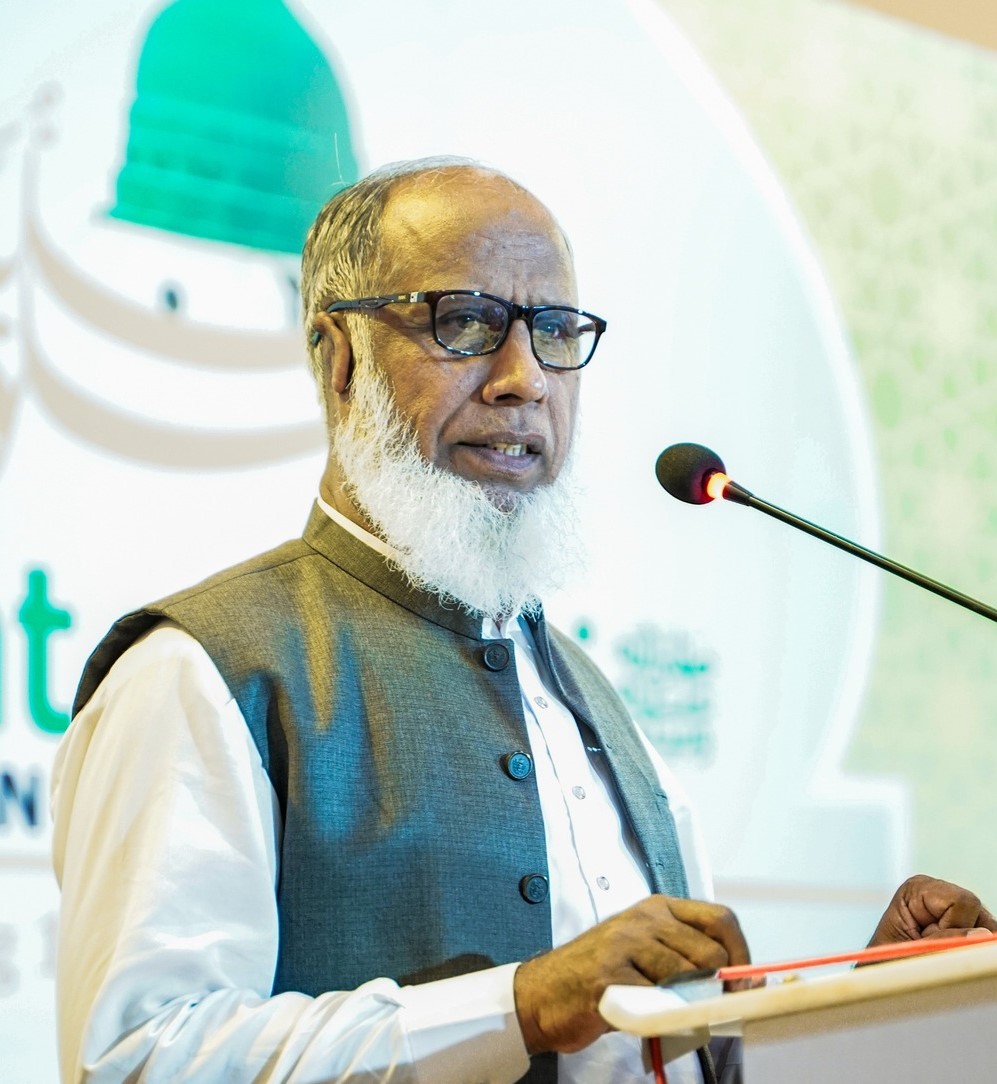
The Chairman of MUSLIM Institute, Sahibzada Sultan Ahmed Ali’s intellectual vision, spiritual devotion, and profound love for the Exalted Prophet ﷺ continue to inspire such scholarly, literary, and research initiatives.
|
|
|
|
|
|
|
|
|
The Seerah of the Exalted Prophet ﷺ must be approached not merely as a subject of reverence but as one of sustained research, reflection, and practical application, one capable of shaping character, discourse, and collective life, and that Na'at, far from being simple poetry, remains an enduring civilizational expression of love for the Prophet ﷺ, one urgently needed in an age of mounting intellectual and cultural challenge. Such events are a great source of satisfaction for inner self. My sincere thanks to Sahibzada Sahib for organizing a conference on these emerging trends that are essential today. I would also like to express my gratitude to the MUSLIM Institute, speakers, Poets and all participants.
|
|
|
|
|
|
|
|
|
|