View online - Download PDF
facebook
twitter
linkedin
youtube
 
pict
   
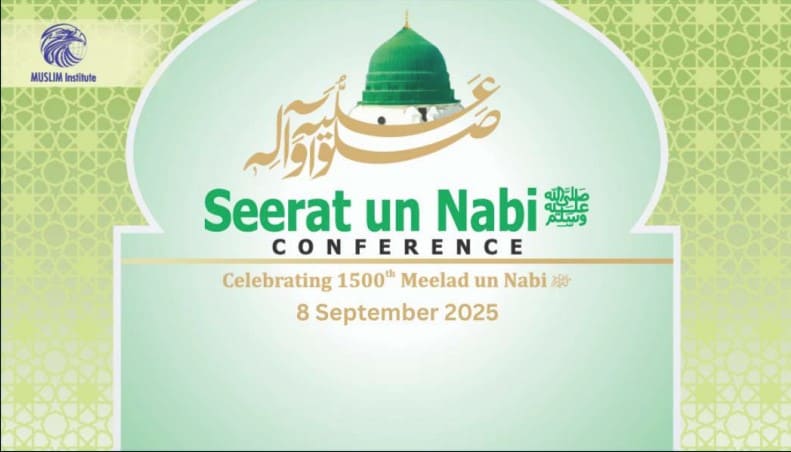
Seerat-un-Nabi ﷺ Conference

Celebrating 1500th
Milad-un-Nabi ﷺ


Organised By MUSLIM Institute
September, 8th 2025
 
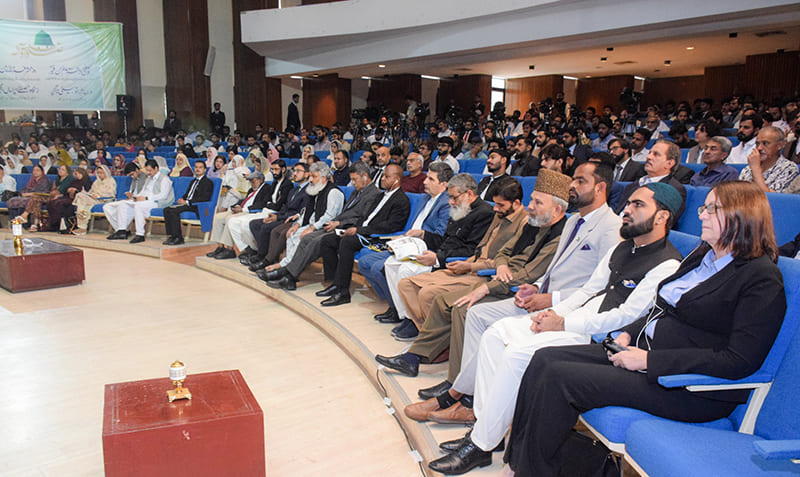
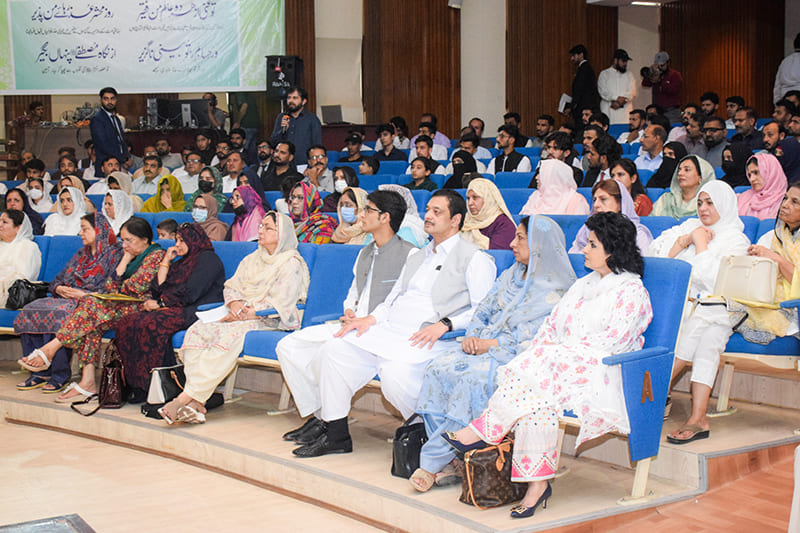
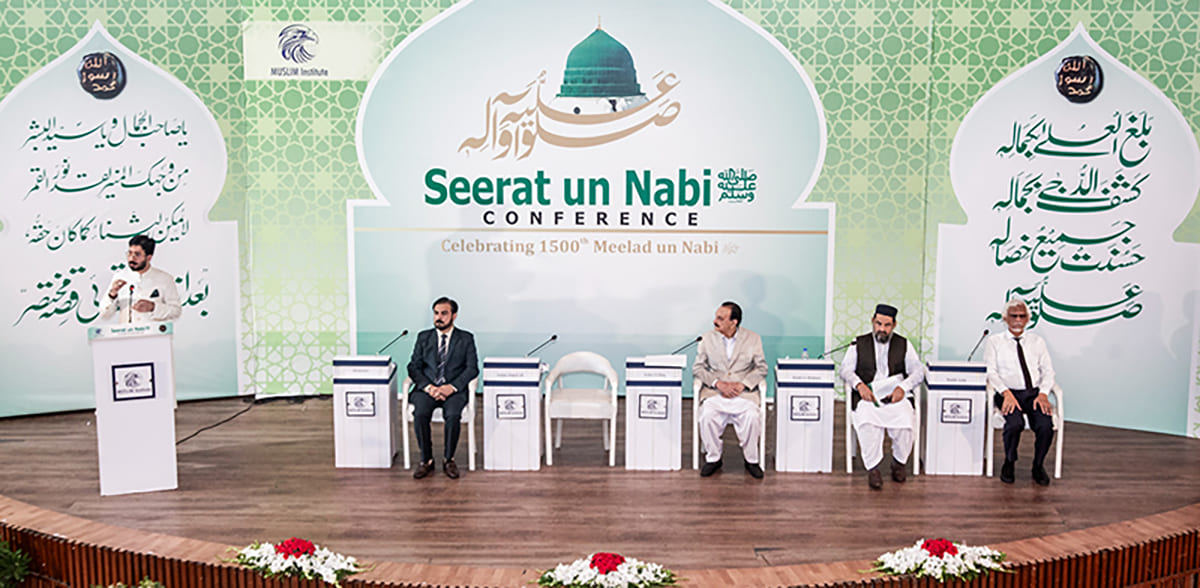
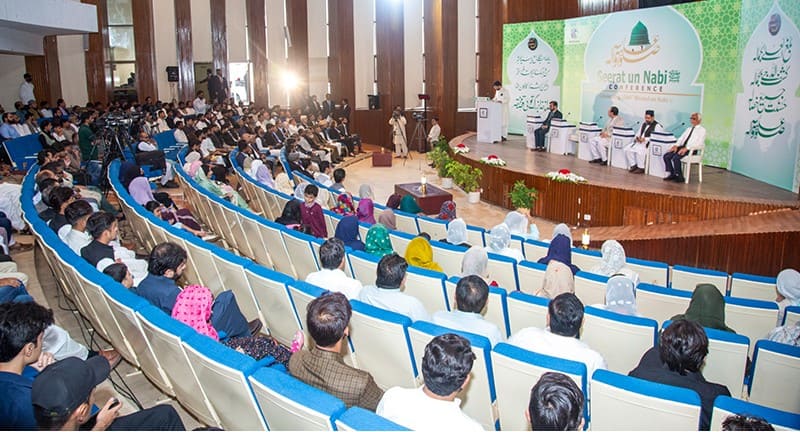
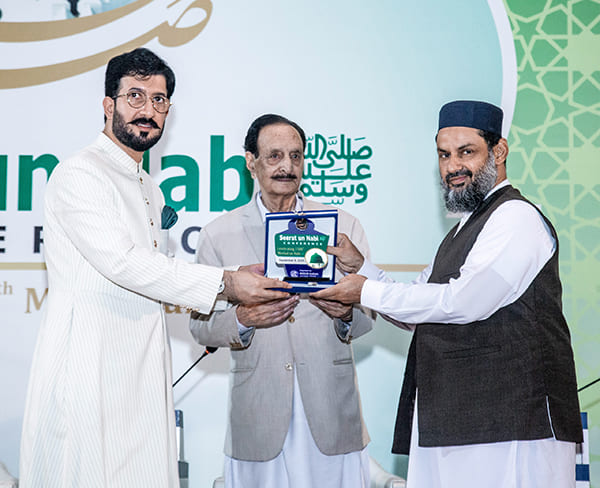
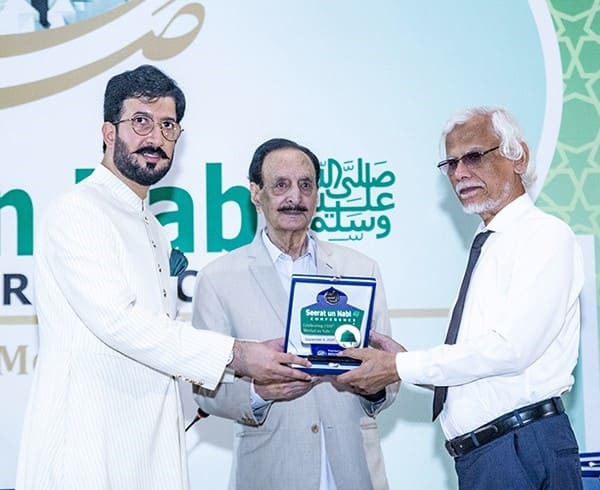
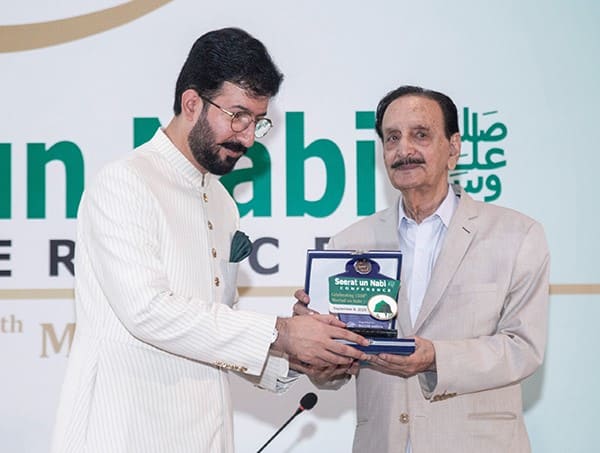
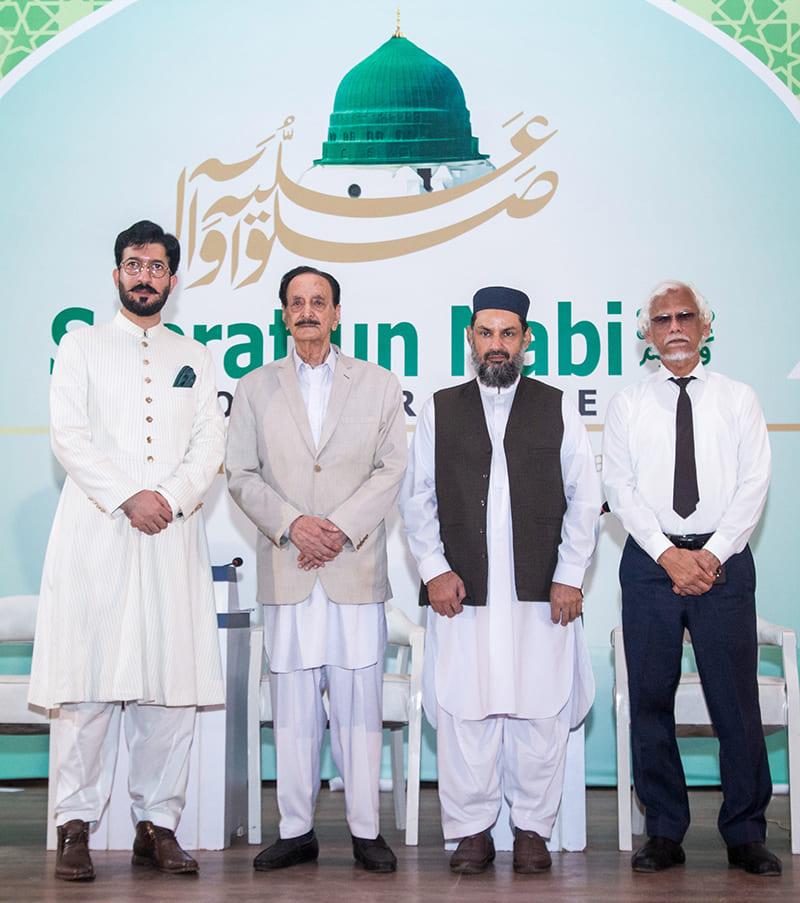
MUSLIM Institute organized a conference titled “Seerat-un-Nabi ﷺ Conference: Celebrating 1500th Milad-un-Nabi ﷺ” on Monday, 8 September 2025, at National Library, Islamabad. The session was presided over by Senator Raja Zafar-ul-Haq, Secretary General of Motamar Al-Alam Al-Islami, while Sahibzada Sultan Ahmed Ali, Chairman of the MUSLIM Institute, delivered the welcome remarks. Dr. Habib Asim, Chairman of the Iqbal Chair at Bahria University, and Dr. Habib-ur-Rehman, President of the Seerat Research Center and Director General of the DBF Seerat Encyclopedia, expressed their views. The proceedings were moderated by Mr. Yousaf Jan Babar, researcher and writer. At the conclusion of the conference, renowned naat-reciter Raja Hamid Ali presented devotional poetry in praise of the Exalted Prophet ﷺ. Ambassadors, diplomats, scholars, lawyers, policymakers, and academicians participated in the discussions.
pict
   
 
Remarks by the Speakers
Summary of the views shared by Speakers is as under:
 
picture
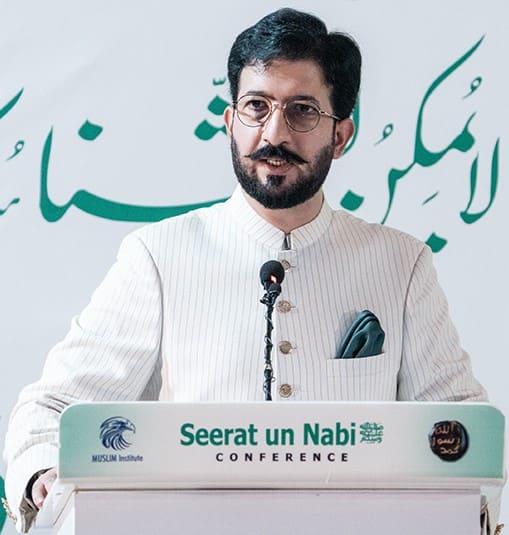
Sahibzada Sultan Ahmed Ali
Chairman, MUSLIM Institute
 
Welcome Address
We are deeply honored to gather on this historic occasion marking the 1500th celebration of the blessed birth of Allah’s final Messenger, the Prophet of Mercy, Muhammad Mustafa ﷺ.
His noble life and radiant example remain an everlasting source of guidance, peace, and compassion for all humanity until the Day of Judgment. The Exalted Qur’an describes the birth of prophets as moments of peace and bliss. In Surah Maryam, Allah sent greetings upon the days of birth of Prophet Yahya (A.S.) and Prophet Isa (A.S.). If the births of earlier prophets were occasions of blessing and mercy, then surely the birth of the Leader of all Prophets ﷺ is most deserving of honor, greatness, and reverence.

The Exalted Prophet ﷺ himself emphasized the significance of his birth. As narrated in Sahih Muslim, when asked about fasting on Mondays, he ﷺ replied:


picture
 
“That is the day on which I was born and the day on which revelation was sent down to me.”
 
 
Thus, expressing gratitude and joy on the day of Mawlid is itself rooted in the Sunnah.

Exalted Prophet ﷺ said:


picture
 
“I am the prayer of my father Ibrahim and the glad tidings of Isa to his people.”

(Musnad Ahmad, Ibn Hibban, Tabarani)
 

The Qur’an also records the supplication of Prophet Ibrahim(A.S) and Prophet Ismail (A.S) after building the sanctified Ka‘bah:“


picture
 
“Our Lord, raise up in their midst a Messenger from among them who will recite to them Your verses, teach them the Book and wisdom, and purify them.”

(Al-Baqarah: 129)
 
 
pict
   
The blessed birth of Exalted Prophet ﷺ was the fulfillment of that prayer and the realization of the glad tidings given by previous prophets. His divine mission was to call humanity to Tawhid — the oneness of Allah — to refine human morals and character, and to spread mercy across the world.

As the Exalted Qur’an declares:
 
 
picture
 
“And We have not sent you except as a mercy to all the worlds.”

(Al-Anbiya: 107)
 
 
Environmental Challenges and the Teachings of the Prophet ﷺ
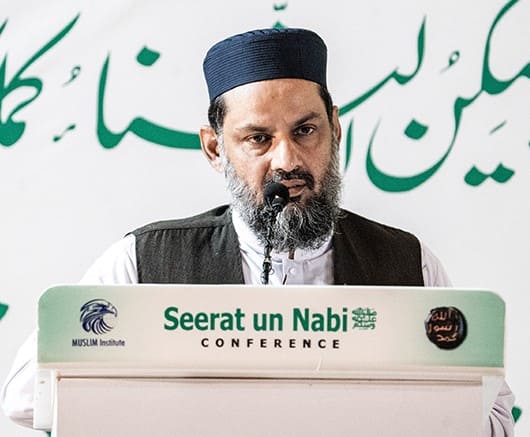
picture Dr. Habib-ur-Rehman

President of the Seerat Research Center and Director General of the DBF Seerat Encyclopedia
The Prophet Muhammad ﷺ is the greatest blessing for the universe, and every aspect of his Seerah offers timeless lessons for humanity. Among them is a profound sense of environmental responsibility. The earth, air, rivers, mountains, and forests are divine trusts given to humankind. A believer does not betray a trust; therefore, protecting nature and avoiding pollution is a religious duty.

Today, however, environmental destruction stems from industrial expansion, unchecked consumerism, excessive travel, waste culture, deforestation, and pollution. The world generates nearly two billion tons of waste annually, including 50 million tons of electronic waste and 8 million tons of plastic entering oceans. The housing industry alone produces 40 percent of carbon emissions, while large-scale farming and meat consumption contribute over 14 percent of greenhouse gases.

picture


Islamic teachings in the Qur’an and Sunnah strictly forbid waste, extravagance, and littering. Exalted Prophet ﷺhimself lived with simplicity — performing ablution with as little as 1.5 liters of water and a full bath with about 4.5 liters. The Qur’an also directs believers to keep the earth clean, cultivate barren land, and use resources responsibly. These principles show that environmental protection is not merely a worldly concern but an essential part of faith.

Thus, the solution to the environmental crisis lies not only in science or policy but in adopting the Prophet’s way of life. His teachings guide us toward balance, simplicity, and mercy — values that can help secure a safer, cleaner, and more sustainable world for future generations.

Challenges of Intercultural Harmony in the Modern Age and the Teachings of the Holy Prophet ﷺ
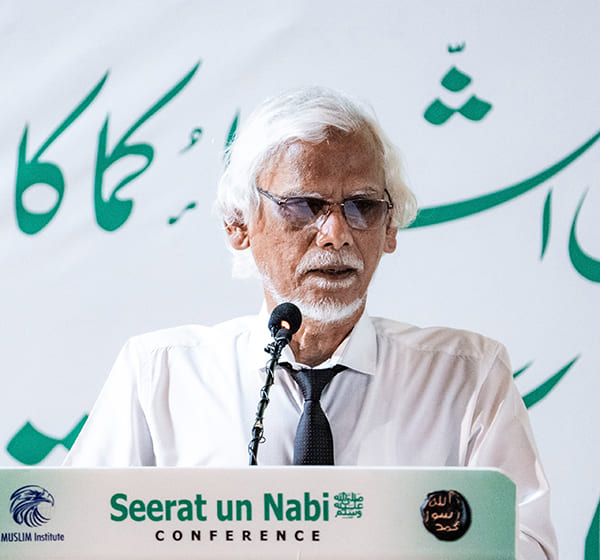
picture Dr. Habib Asim

Chairman of the Iqbal Chair at Bahria University
The life and teachings of the Exalted Prophet ﷺ clearly show that religion was not revealed to impose hardship, but to bring ease and openness. He ﷺ consistently acknowledged and encouraged the good traditions and values present in human societies.

The spirit of Islam is to adopt goodness wherever it is found, even among non-Muslims, so long as it aligns with nature and morality. For example, Exalted Prophet ﷺ accepted five noble principles from the tribe of Suwaid al-Azdi: gratitude, patience, contentment with divine decree, truthfulness even with enemies, and refraining from gloating over an enemy’s misfortune.

Islam promotes cultural harmony and broad-mindedness. In the Prophet’s ﷺ Seerah, there are many examples of interaction with people of different faiths and cultures, all marked by tolerance and respect. A notable instance is when Christian scholars from Najran were hosted in Masjid al-Nabawi, where they engaged in dialogue. This reflects Islam’s encouragement of interfaith harmony and mutual respect.

Islam also recognizes space for arts and cultural expression. Poetry, ghazals, the beating of the daf, and wedding celebrations all existed during the Prophet’s ﷺ time. Rather than abolishing them, Islam provided a moral framework so that human emotions and joys could be expressed positively. Thus, Islam neither rejected the arts completely nor allowed unrestrained freedom, but guided them with moderation and ethics. Another dimension of Islam’s broad outlook is its openness to learning from non-Muslim nations in scientific, technical, and economic fields, while advising caution in political and national matters to protect collective Muslim interests. This demonstrates that Islam never promoted isolation or hostility, but encouraged cooperation, dialogue, and mutual learning within ethical limits.

picture
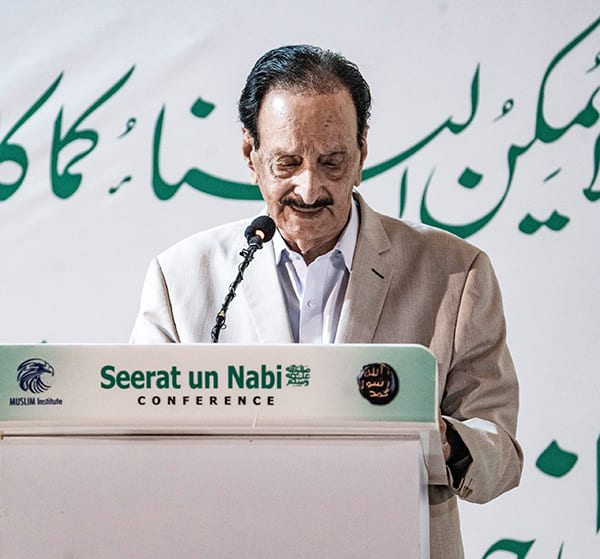
Senator Raja Zafar-ul-Haq
Secretary General of Motamar Al-Alam Al-Islami
 
Concluding Remarks
The Lord of the universe has commanded us to love the Prophet ﷺ with unmatched devotion — a love greater than any attachment to parents, children, wealth, or status.
The Qur’an makes it clear that without such love, true obedience is not possible. The Prophet ﷺ’s life — his struggle, patience, triumphs, and spiritual grandeur — remains a timeless lesson for all of humanity. His revolution was not achieved through wealth or military power, but through character and practical example. He embodied truthfulness, mercy, justice, patience, and humility. By uniting the scattered people, he elevated them to the leadership of the world.

Today, we too face the trials of division and discord. The Prophet ﷺ likened the Ummah to one body: when one part suffers, the entire body feels the pain. The oppressed Muslims of Palestine, Kashmir, and across the globe deserve our solidarity and support. Without unity, we remain weak; with unity, we can uphold justice, peace, and dignity.

The Prophet ﷺ did not leave behind monuments of stone, but living legacies in the noble character of his companions — Abu Bakr, Umar, Uthman, Ali, Fatimah, A’ishah, Bilal, and many others (may Allah be pleased with them). True civilization is not built upon palaces or displays of grandeur, but upon values and character. The society established by the Prophet ﷺ was rooted in intellect and reason, giving rise to great minds such as Ibn Sina, Al-Ghazali, and Ibn Arabi etc. Today, our responsibility is to build a society not upon empty slogans, but upon rational thought, sound values, and intellectual strength.

picture


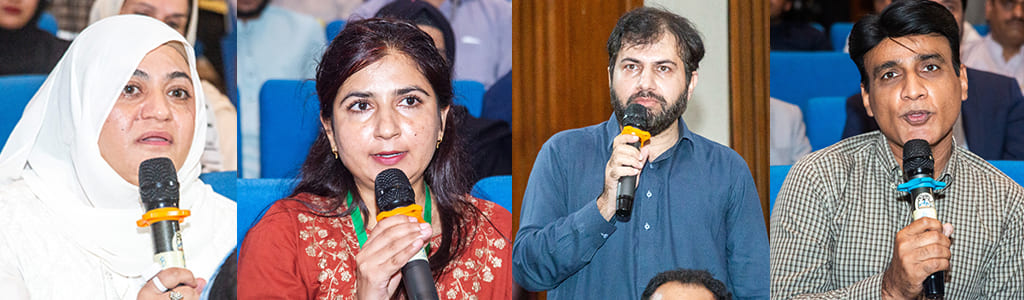
Question & Answer Session
During the interactive session, questions asked by the participants were replied by speakers. Gist of discussion is as following:

The global capitalist system has reshaped people’s awareness and sensitivities, yet at the local level we can still reform ourselves in light of Islamic teachings. Avoiding extravagance, embracing simplicity, and living in harmony with nature are the first steps toward addressing the climate crisis.
pict
   
Children, in particular, must be connected with the Qur’an and Sunnah within the home environment. A child once expressed the wish to become a Companion after hearing stories of the Sahabah from his grandparents. This reminds us that family upbringing and practical surroundings leave the deepest impression on young minds. The Seerah of the Prophet ﷺprovides timeless guidance for a simple, balanced, and healthy life. These principles must also be reflected at the policy level so that society as a whole can move toward healthier and more sustainable practices.

In today’s age, social media and technology are both a challenge and an opportunity. It is vital to harness modern platforms, including social media and artificial intelligence, to create high-quality Islamic content for children and youth. In this way, while they may be exposed to global cultures, they will remain rooted in their own values and inspired by the Seerah of the Prophet ﷺ.

picture1
picture2
picture
picture
 
Follow Us
 
facebook twitter linkedin
 
© 2024. All rights reserved.
Unsubscribe - Webversion - Download PDF - Send to a friend