

|
|
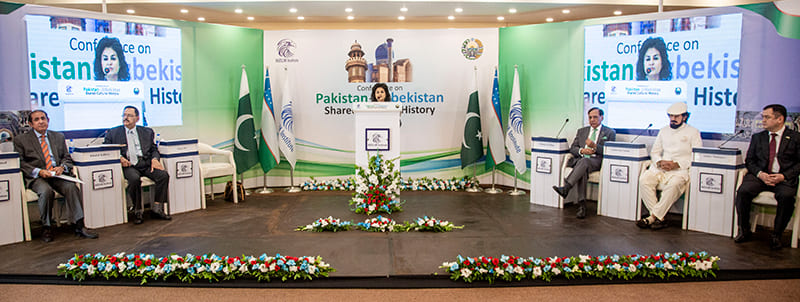
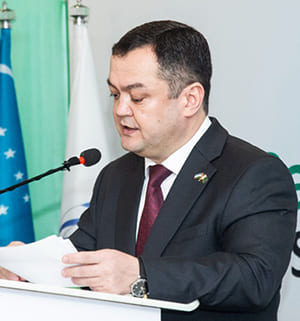
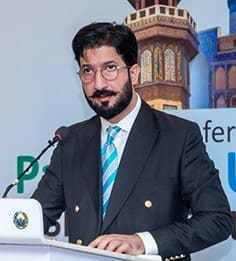
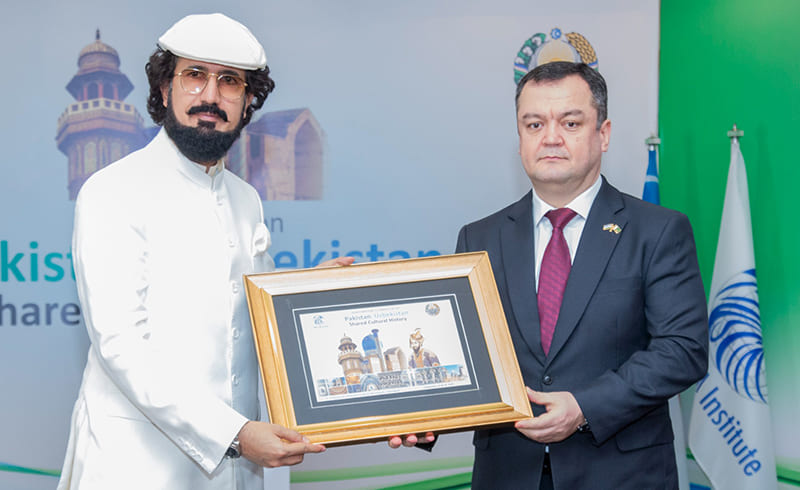
MUSLIM Institute, in collaboration with the Embassy of Uzbekistan organized a conference titled “Pakistan-Uzbekistan Shared Cultural History” on September 22, 2025, in Islamabad. Former Chairman Joint Chiefs of Staff Committee, General (R) Ehsan ul Haq, was Chief Guest on the occasion, while the Founding Father of MUSLIM Institute, Hadhrat Sultan Muhammad Ali, was the Guest of Honour. Chairman MUSLIM Institute, Sahibzada Sultan Ahmed Ali, delivered the welcome address, followed by opening remarks from the Ambassador of Uzbekistan to Pakistan, H.E. Alisher Tukhtayev. Other distinguished speakers in the inaugural session included Prof. Azamat Ziyo, Director, Institute of History, Academy of Sciences of Uzbekistan; Maj. Gen. (R) Khalid Amir Jaffery, President, Centre for South Asia and International Studies; and Ambassador (R) Sarfaraz Ahmed Sipra, Pakistan’s former envoy to Uzbekistan. An introductory presentation was made by Dr. Hamza Iftikhar, Research Associate at MUSLIM Institute, while Dr. Saira Alvi moderated the first session’s proceedings.
Brief Summary of the remarks shared by speakers are observed as under:
|
|
Opening Remarks
H.E. Alisher Tukhtayev
Ambassador of Uzbekistan to Pakistan
|
|
The timeless poetry of Ali Sher Navoi and Abdurrahman Jami, along with the philosophical verses of Allama Iqbal, continues to inspire us and reaffirm our shared cultural heritage. Great cities such as Samarkand, Bukhara, Khiva, Khakan, Lahore, Multan, and Karachi have, for centuries, stood as centers of learning, scholarship, and enlightenment.
The teachings of Jalaluddin Rumi and the spiritual message of Sultan Bahoo still unite hearts and souls across our nations. Recently, the Uzbekistan Tourism Information Center was inaugurated in Islamabad to promote cultural exchange, while the upcoming Uzbek-Pak Cultural Center in Karachi will further open new avenues for trade, art, and dialogue.
Cooperation between universities and research institutes is also expanding, with increasing student exchange programs and cultural festivals offering young people new opportunities to learn, study, and collaborate.
This international conference provides a platform to advance important initiatives: establishing joint research centers in history, archaeology, linguistics, and traditions; launching academic and cultural exchanges for youth; and expanding collaboration in literature, music, cinema, and theater.
The revival of Silk Road tourism will further strengthen cultural bonds and promote shared prosperity for both nations.
|
|
|
welcoming remarks
Sahibzada Sultan Ahmad Ali
Chairman - MUSLIM Institute
|
|
The cultural ties between Uzbekistan and Pakistan are the result of centuries of interaction between their peoples. The historic trade routes linking Samarkand, Bukhara, and Khiva with Peshawar, Lahore, Multan, Thatta, and other centers carried not only silk, spices, and precious stones but also poetry, wisdom, architecture, philosophy, Sufism, and jurisprudence, deeply shaping the identity of Central and South Asia.
Pakistan is not merely seventy-eight years old; in civilizational terms, it embodies over eight centuries of continuity. It carries forward the legacy of the Timurid-Mughal dynasty, itself rooted in the Delhi Sultanate. The patronage of the Mughal court enriched calligraphy, miniature painting, garden design, and monumental architecture, producing masterpieces such as the Badshahi Mosque, Lahore Fort, Taj Mahal, and Humayun’s Tomb.
Pakistan reflects the historical continuity in its present-day ethos: its military program bears the names of heroes such as Babur, Timur, Ghuri, and Ghaznavi, honoring a tradition of leadership and cultural identity that bridges past and present. At state, academic and institutional levels, many efforts have been made to preserve our cultural heritage.
Sadly, our shared Turkic, Afghan and Indian Muslim heritage now faces grave threats in India, where extremist Hindutva agendas seek to dismantle its legacy. In our contemporary context, preserving heritage and promoting culture are paramount and demand collective efforts. It is encouraging that bilateral trade between Pakistan and Uzbekistan has increased nearly tenfold from 2017 to 2024, laying the groundwork for deeper cooperation in culture, economy, and shared identity.
|
|
|
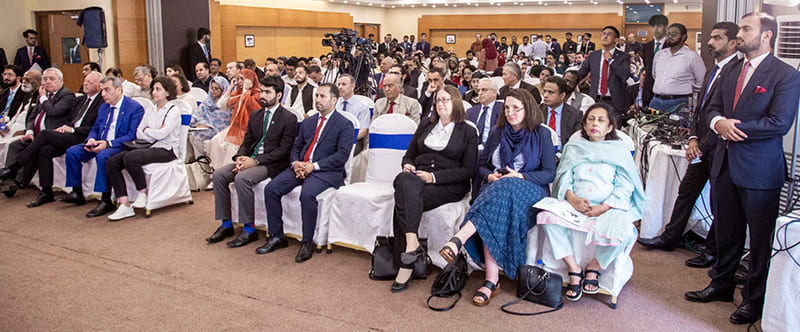
Audience during the session of conference.
|
|
|
|
Guest
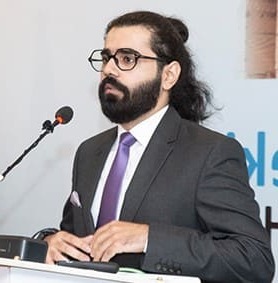
Dr. Hamza Iftikhar
Research Associate - MUSLIM Institute
|
|
Some of the most influential personalities in Islamic history include Imam Bukhari, Imam Tirmizi, Imam Maturidi, Burhanuddin al-Marghinani, and al-Biruni. Their intellectual and spiritual contributions shaped not only Central Asian Muslim thought but also had a profound impact on Muslims in South Asia and the wider subcontinent. Alongside these scholars, the Sufis also played a vital role. Spiritual leaders such as Sayyid Jalaluddin Shah Surkhposh Bukhari, who traveled from Bukhara to present-day Multan, and Sayyid Ali Shah Tirmizi (Pir Baba), who journeyed to Khyber Pakhtunkhwa, spread the message of faith, tolerance, and spirituality across regions.
In the modern era, attention is increasingly focused on trade, education, science, and tourism. Pakistan and Uzbekistan, in particular, are working closely to advance shared interests in regional peace and security through forums such as the United Nations and the Shanghai Cooperation Organization (SCO). A High-Level Strategic Council has been established to enhance cooperation in capacity building, trade, and transportation, reflecting the multidimensional nature of their partnership.
Military collaboration is another area of growing importance. The Central Asian Muslim Brotherhood, along with Pakistan, Uzbekistan, and other like-minded nations—including Azerbaijan, Turkey, Kazakhstan, Oman, Qatar, Saudi Arabia, and Bahrain—has conducted joint military drills and exercises. These initiatives highlight a collective commitment to regional peace, security, and the exchange of technical expertise.
Aligned with Uzbekistan’s “Digital 2030” vision, Pakistan and Uzbekistan are expanding cooperation across defense, education, culture, and the economy. Direct flights, student exchange programs, and cultural heritage centers are strengthening people-to-people ties, while joint efforts in energy, agriculture, textiles, and IT are opening new avenues for mutual growth. Together, the two nations are building a dynamic partnership that promotes connectivity, stability, and shared prosperity across the region.
|
|
|
Guest
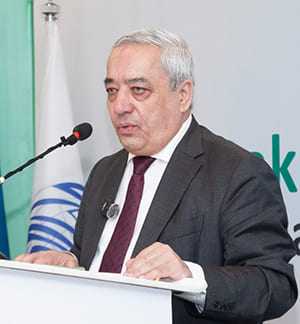
Prof. Azamat Ziyo
Director - Institute of History, Academy of Sciences of Uzbekistan
|
|
It is a great honor to be present here today not as a guest, but among familiar people, a sentiment I have felt since arriving in Islamabad. These past days have deepened my understanding of why our forefathers chose to settle in this region. The warmth, respect, and cultural richness of the Pakistani people so often described in history and literature can truly be appreciated only through direct experience.
Representing the Academy of History, I wish to emphasize that our research extends beyond Uzbekistan to Afghanistan, Pakistan, and the wider region, recognizing the interconnected geography of a common past.
The strongest bridges between nations are built by scholars and scientists. When academics from Uzbekistan and Pakistan collaborate, they lay the foundation for lasting friendship and mutual understanding. Our cultural ties are vast and profound, and with greater opportunities, these bonds will only deepen in the years ahead.
The strongest bridges between nations are built by scholars and scientists. When academics from Uzbekistan and Pakistan collaborate, they lay the foundation for lasting friendship and mutual understanding. Our cultural ties are vast and profound, and with greater opportunities, these bonds will only deepen in the years ahead.
|
|
|
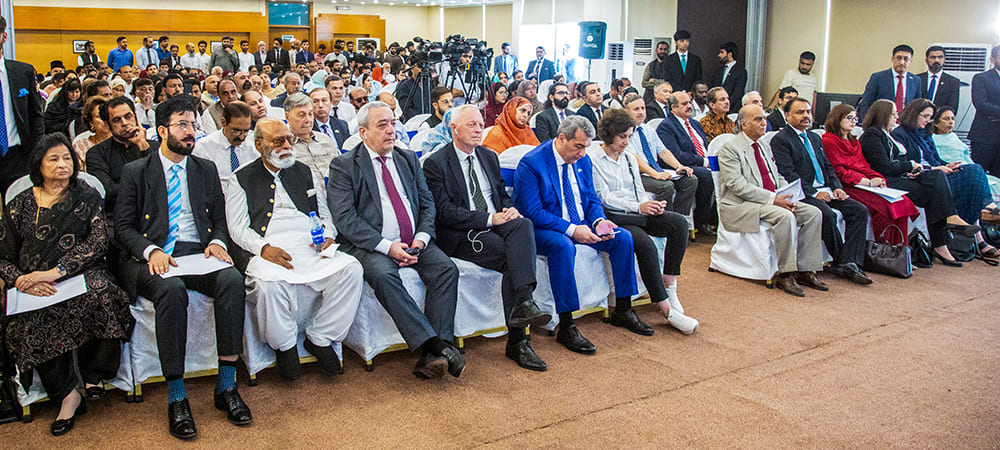
Audience view of conference.
|
|
Guest
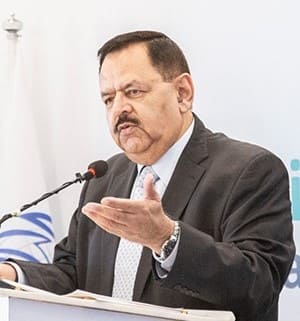
Ambassador (R) Sarfraz Ahmed Sipra
Pakistan’s former envoy to Uzbekistan
|
|
Islam began reaching Central Asia as early as the 8th century CE through traders and Islamic missionaries. Over time, Bukhara and Samarkand emerged as prominent centers of learning and scholarship. From there, Islam spread into South Asia, carried by traders and Sufi saints who connected directly with local communities. Through their lives of sacrifice, service, equality, tolerance, and compassion for the poor, they conveyed the universal message of Islam.
This spiritual expansion was later reinforced by the campaigns of Mahmud Ghaznavi from 1000 CE onward and culminated in the establishment of the Delhi Sultanate by Qutbuddin Aibak in 1206, marking the beginning of the Muslim era in South Asia.
The shared Sufi heritage between Pakistan and Uzbekistan is most deeply embodied in Hadhrat Bahauddin Naqshband, founder of the Naqshbandi order, born in 1319 in Qasr Arifan near Bukhara.
The Naqshbandiya drew upon earlier Central Asian traditions such as the Yassaviya, Kubraviya, and especially the Khwajagan. Meaning “the masters,” the Khwajagan were a vast network of influential Sufis active between the 10th and 16th centuries whose teachings, practices, and spiritual lineage profoundly shaped the Naqshbandi order. Often referred to as Silsila-i-Khwajagan, this tradition served as the fountainhead of the Naqshbandi order and remains a lasting spiritual bond between Pakistan and Uzbekistan.
|
|
|
Guest
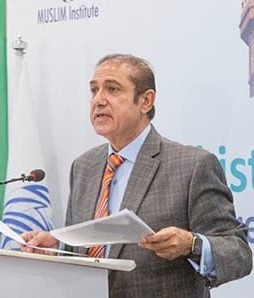
Maj Gen (R) Syed Khalid Ahmed Jaffery
President - Centre for South Asia and International Studies
|
|
The relationship between Pakistan and Uzbekistan extends far beyond politics, rooted in centuries of shared scholarship, spirituality, trade, and culture. Uzbekistan’s rapid development today reflects its deep historical roots along the Silk Road. Journeys that once took many days now require only few hours, symbolizing progress built upon a legacy of connectivity and exchange.
The most profound bond between the two regions has been through Islam. The Naqshbandi Sufi order, founded in Bukhara by Hazrat Bahauddin Naqshband, spread widely across Pakistan, the subcontinent, and beyond. In Bosnia, one finds sacred sites of Naqshbandi saints who arrived centuries before the Ottomans, preaching Islam in the 13th century when it was still unknown there.
In South Asia, their teachings of discipline, devotion, and social reform inspired generations of scholars and played a pivotal role in reviving Islamic values during the Mughal period. While in Pakistan this heritage is often remembered as “Mughal,” in Uzbekistan it is more accurately recognized as Timurid.
When Zaheer Uddin Babur entered the subcontinent, he brought with him the refined architecture, garden culture, and administrative traditions of Uzbekistan. The Timurid influence extended as far south as Hyderabad, where the Nizam’s dynasty traced its lineage back to Samarkand.
|
|
|
|
Chief Guest
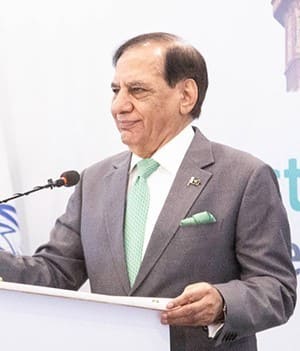
General (R) Ehsan ul Haq
Former Chairman Joint Chiefs of Staff Committee
|
|
The face of Hindutva’s cultural bigotry, a form of cultural terrorism is targeting the Islamic heritage of South and Central Asia. The historical and spiritual legacies of figures such as Imam Bukhari, Amir Timur, Data Ganj Bakhsh, Lal Shahbaz Qalandar, and Rahman Baba embody a shared identity that transcends geography. The proximity between Pakistan and Uzbekistan is not merely physical but also cultural and spiritual, reinforced by centuries of interaction. Encounters with scholars fluent in Urdu during visits to Tashkent, Samarkand, and Bukhara further highlight the enduring bonds of language, culture, and hospitality that unite the two nations.
Both countries are also working closely on a railway linkage, which will enhance people-to-people contact, trade, and commerce. This initiative can further bring Afghanistan into this growing fraternity. Despite its challenges, Afghanistan’s participation in such regional connectivity will be as beneficial for them as it is for Pakistan and Uzbekistan.
Our shared civilizational ties, culture, history, and faith must serve as the anchor of our collective response.
To confront contemporary challenges to our faith and identity, we must draw upon these legacies. The healing message of Sufism offers the most powerful means to preserve unity, resilience, and spiritual strength in the face of these trials.
|
|
|
Guest of Honour
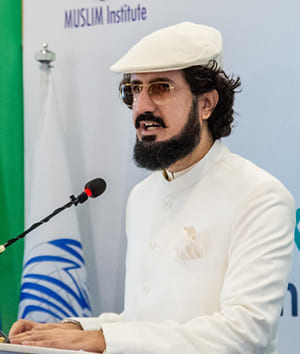
Sahibzada Sultan Muhammad Ali
Founding Father of MUSLIM Institute
|
|
During the Mongol invasions, when men of learning and wisdom were no longer safe in their own homelands, Sultan Alauddin Khalji of the Delhi Sultanate provided strong protection to the land of Indo-Pak subcontinent, welcoming scholars from Central Asia, Iran, and Afghanistan. Among those who sought refuge was Amir Saifuddin of Kesh near Samarkand, entrusted with protecting a caravan. In 1253, Allah blessed him with a son, the legendary Amir Khusrow Dehlavi, who went on to lay the foundation of the Urdu language.
Centuries later, after the War of Independence in 1857, the question of identity centered on Urdu gave rise to a movement that culminated in the founding of the All-India Muslim League in Dhaka in 1906. This movement, rooted in language and culture, ultimately led to the demand for Pakistan under the two-nation theory.
With the fall of the Emirate of Bukhara and the Soviet occupation of Central Asia, these deep cultural and historical bonds faced disruption. Today, in a rapidly changing world order with new political and regional realities, it is imperative to rebuild these connections on lasting foundations from culture and education to research, defense, and trade.
As custodians of the Indo-Islamic civilization of the subcontinent, it is the responsibility of Pakistan to initiate a cultural collaboration pact with the states of Central Asia. Under this pact, a cultural corridor should be established, and through kashigari, the timeless art of tile-work linking Samarkand, Mazar-i-Sharif, Srinagar, and Sindh’s Hala in a unity of design, we must launch a new form of “craft diplomacy.”
Equally vital is the preservation of manuscripts and rare books that embody centuries of intellectual devotion. Expanding research, translation, and access to these treasures will safeguard our shared heritage. To institutionalize these efforts, a high-level regional council for cultural cooperation should be created, ensuring that our civilizational legacy remains a guiding force for future generations.
|
|
|
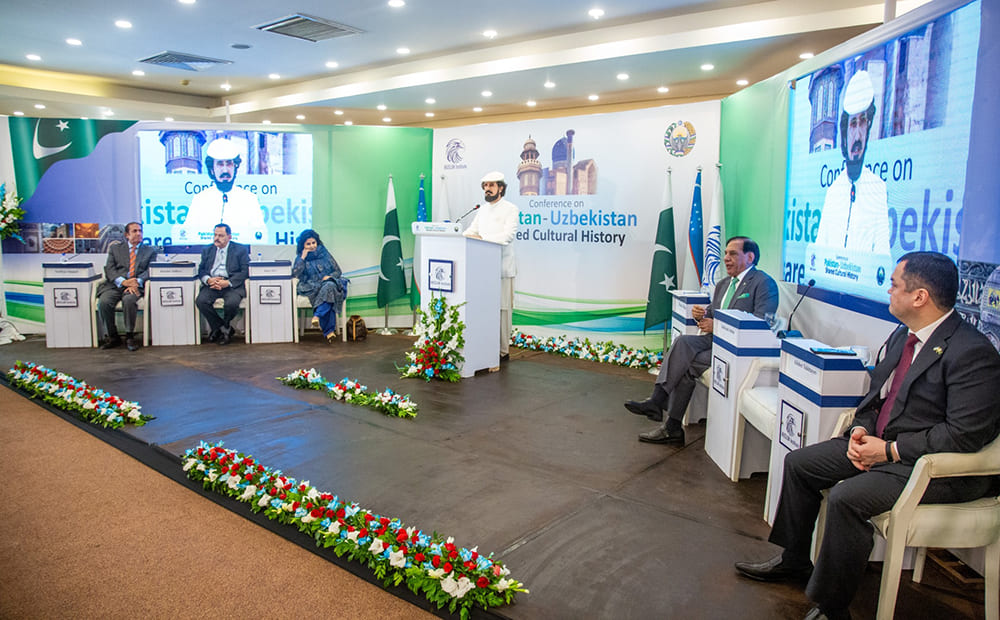
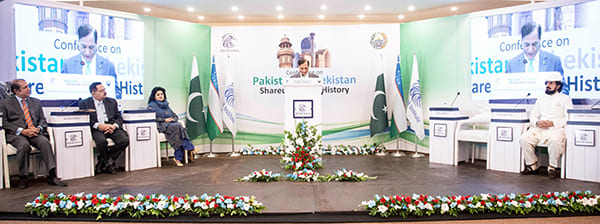
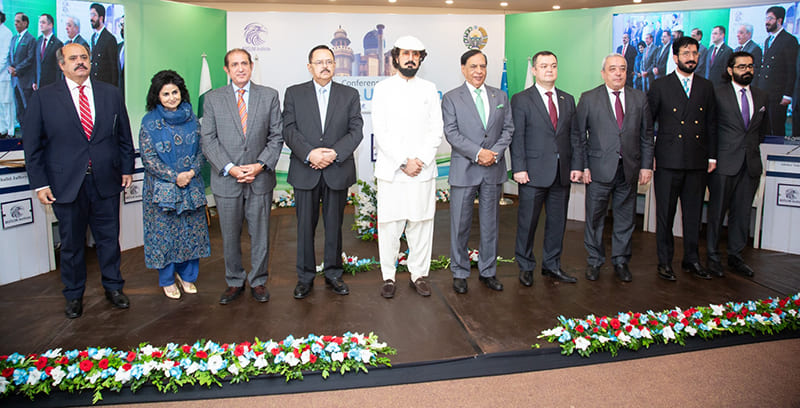
Stage and Participant view during the session of conference.
|
|
|
|
| |
|